EV sourcing for African markets
EV Battery Warranty in Africa: VIN, Market Terms and Claim Path
Before paying for an EV bound for an African market, confirm who would handle a battery-warranty claim for that VIN, which market terms apply and how the vehicle could reach an accepted repair provider. Check import eligibility and battery condition separately.
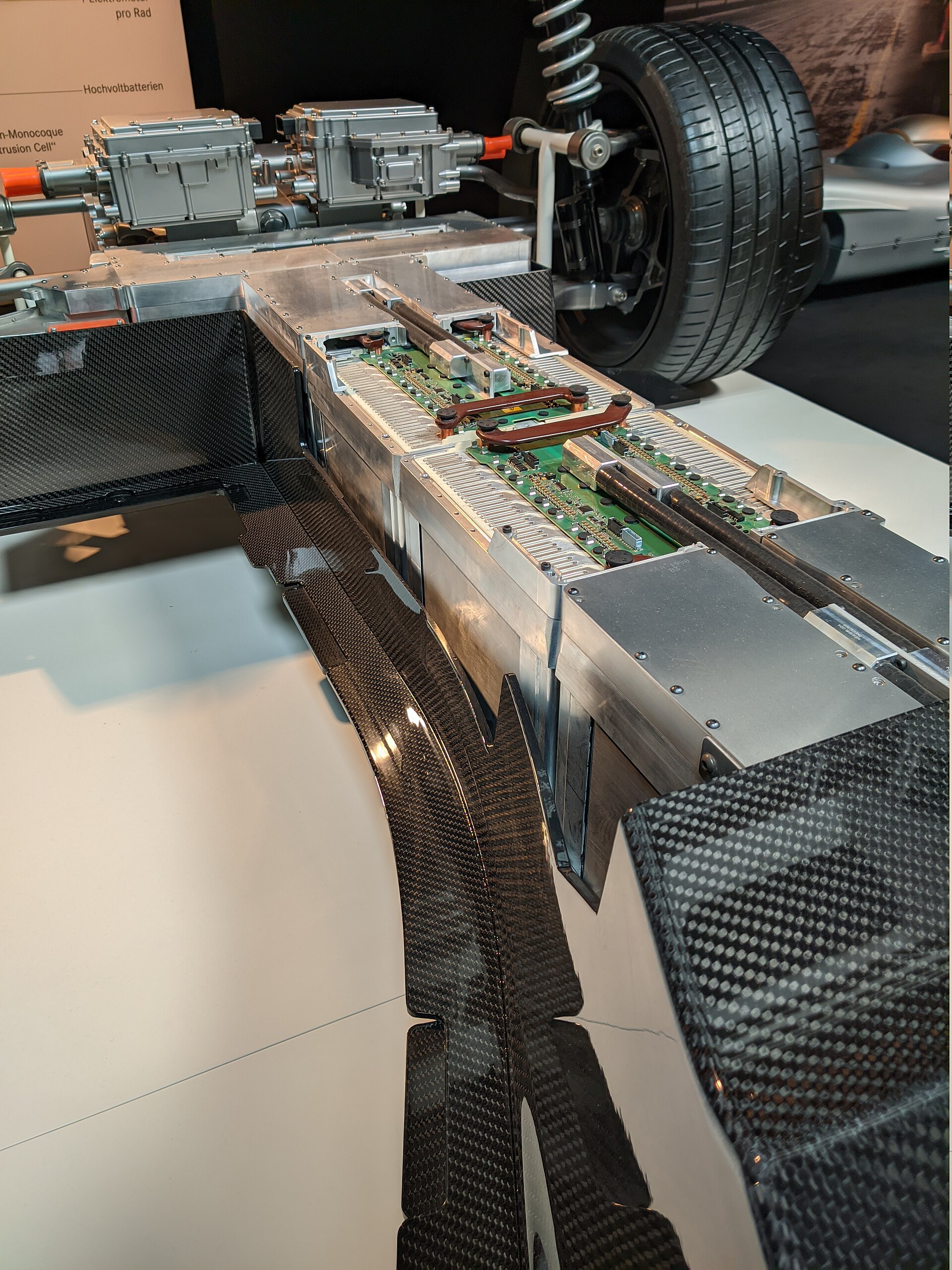
Separate import eligibility from warranty coverage
An EV exported to Africa does not automatically keep a usable China-market battery warranty. Buyers must separate manufacturer warranty eligibility from destination import compliance and verify the VIN, warranty territory, start date, local diagnosis/claim route and battery condition. The buyer should never use a successful import inspection as evidence that the manufacturer will pay for a battery fault. Compliance answers whether the vehicle may enter or be registered; warranty answers who will remedy an eligible failure and where.
Check the published terms against the offered VIN
BYD's South African warranty page states a power-battery period of 8 years or 200,000 km, whichever comes first, calculated from the purchase invoice issued by a BYD authorised seller. That published period does not confirm that a particular parallel import is covered; obtain a written decision for the VIN and its sales history. Separately, NRCS guidance for imported vehicles requires proof of conformity and advises importers to consult NRCS about requirements for their specific vehicles. Neither an import approval nor a battery-condition report establishes warranty entitlement.
Confirm the warranty market and territory
Do not assume that a warranty offered in one market applies to a vehicle sent to another. Ask the party expected to honour the claim to confirm the VIN, original sales market, warranty territory, invoice or start-date evidence and any transfer conditions in writing. Check the destination's import, registration, consumer, charging and end-of-life requirements separately. Keep the issuer and date with each document, and resolve conflicting model-year or version information before requesting a final quotation.
Assess heat-related faults against the applicable terms
Whether a heat-related fault is covered depends on the applicable warranty terms and the evidence for the vehicle. Read the exclusions and ask how the responsible provider assesses temperature history, use and storage conditions, and thermal-system faults. Keep diagnostic records tied to the VIN and software version. If the terms or records conflict, ask the provider to explain the disputed point in writing rather than treating a general temperature or range figure as a coverage decision.
Establish an accepted local repair route
Before buying, identify who can diagnose and repair the battery where the vehicle will operate, and ask the warranty provider whether that route is accepted under the applicable terms. UNEP's project lists distinguish initiatives by vehicle category and country; a listed initiative does not establish diagnosis, charging or qualified repair support for this vehicle in its intended city. Obtain written details of diagnostic and software access, independent high-voltage service, remote support, parts supply and battery transport or dangerous-goods handling. Price the steps that are not included and assign responsibility for delay. A representative test can help assess the vehicle under recorded route, load, temperature, charge state, tyre and software conditions, but it cannot prove that a local repair provider will accept a warranty claim.
Bind pre-shipment condition evidence to the VIN
Request VIN-linked raw diagnostics, fault and storage records, photographs, and the manufacturer's usable-energy or battery-health data where available, preferably witnessed independently. Record the test date, method and conditions so the result can be checked against the same vehicle at handover. Agree the acceptance criteria and who pays for missing evidence, corrective work, parts, storage, reinspection, return transport and delay. If the condition record, destination confirmation or agreed test result conflicts, preserve the discrepancy and resolve it before final payment.
Resolve open items before payment
Before committing the vehicle, put the coverage decision, battery-condition evidence and workable claim route together in the same VIN file. Identify the responsible party and any cost or service step still awaiting confirmation. If the documents disagree or a key answer is missing, keep that item unresolved and obtain clarification before payment.
Frequently asked questions
Are EV battery warranty rules the same across Africa?
Check the terms for the actual sales market and destination, not an Africa-wide label. Obtain the responsible provider's written coverage decision for the VIN and keep the applicable policy, issuer and date with it. Import and registration documents answer a different question and cannot substitute for that decision.
Does high temperature automatically void coverage?
Read the exclusions in the applicable policy and ask how the provider evaluates the recorded temperature history and thermal-system condition. Do not infer either coverage or refusal from hot weather alone. Retain the dated terms and the provider's answer for the same VIN.
Can I buy where the brand has no official dealer?
Evaluate the proposed service route before committing the purchase. Confirm diagnostic access, an accepted repair provider, remote support, parts and battery transport, with the costs and delay responsibility in writing. If no workable claim route is confirmed, treat warranty support as unresolved even if a sample vehicle tests well.
What proves condition before shipment?
Use a dated record tied to the VIN: raw diagnostics, fault history, photographs, storage history and the test method and conditions. Keep the battery-health or usable-energy result with its definition rather than treating a headline number as proof. Agree how the record will be checked at handover; it documents condition and does not itself approve a warranty claim.
Sources
- Service & Maintenance: BYD South Africa warrantyBYD South Africa · Accessed 2026-10-08 · Publication date not stated
- Importing vehicles: NRCS South AfricaNational Regulator for Compulsory Specifications, South Africa · Accessed 2026-10-08 · Publication date not stated
- Electric mobility projects in AfricaUnited Nations Environment Programme · Accessed 2026-10-08 · Publication date not stated · Last updated 28 Feb 2024
- Maintenance and Safety of Electric VehiclesU.S. Department of Energy, Alternative Fuels Data Center · Accessed 2026-10-09 · Publication date not stated
- Electric and Hybrid Vehicles: Who should service my EV?National Highway Traffic Safety Administration, U.S. Department of Transportation · Accessed 2026-10-09 · Publication date not stated
- Electric Vehicle Charging Stations: Charging EquipmentU.S. Department of Energy, Alternative Fuels Data Center · Accessed 2026-10-09 · Publication date not stated